Programmes
Our programmes
Thirteen areas of work in five themes — from sorting waste at home to health care for the people who handle it.

Programmes
Thirteen areas of work in five themes — from sorting waste at home to health care for the people who handle it.
01 / 05
Getting waste off the streets and sorted at the doorstep.
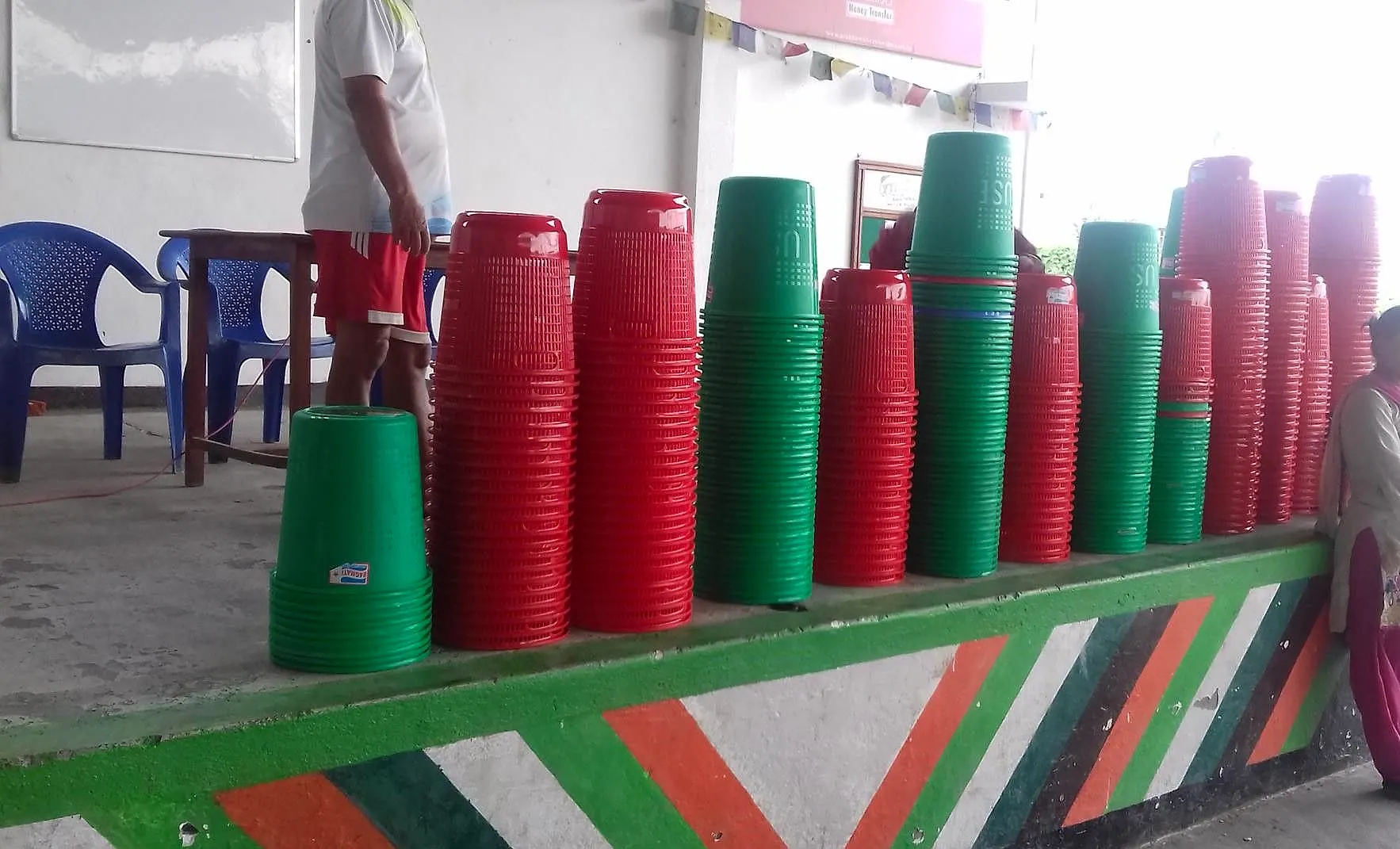
NEPCEMAC began door-to-door collection in Lalitpur in 1997 and in Kathmandu in 2001, and still works with communities and collection crews to make collection and transport cleaner and more efficient — so that every household plays its part.
For more than 15 years NEPCEMAC has promoted sorting in household kitchens: a green bucket for waste that rots, a red one for waste that does not. Around 50,000 families in municipalities across the Kathmandu Valley now sort this way, and the aim is 300,000 families within five years.
Streets are swept in all areas with door-to-door collection, and NEPCEMAC organises and joins riverbank clean-ups — including the weekly Hanumante River and Lalitpur ring-road campaigns — and manages the waste they gather. Its crews have also long handled the safe disposal of dead animals found on the streets.
Each summer, campaigns clear overgrown bushes along roads to keep public spaces clean and safe.
02 / 05
Changing habits through schools, women’s groups, street theatre, radio and print.
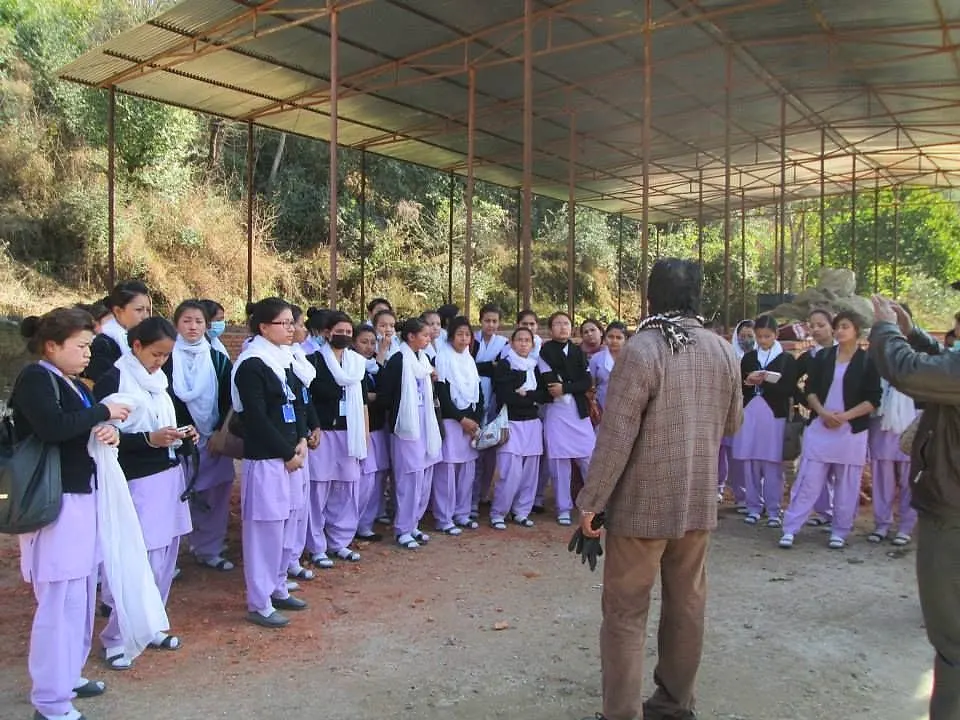
Hundreds of programmes a year: orientations, mass campaigns, exhibitions, street drama, songs and poetry, documentaries and pamphlets. NEPCEMAC also produced the radio programme “Batabaran Chautari” on Metro FM 94.6 and invested in the television serial “Sabhyata”.
Hands-on training that gives people the skills to manage waste and make compost in their own communities.
Residents, tole committees, women’s groups and youth clubs are brought together to tackle pollution in their own area, so that people feel the local environment is theirs to look after.
The annual newsletter “NEPCEMAC Sandesh”, training manuals, pamphlets, bulletins and articles in the media share what works in waste management.
03 / 05
Turning kitchen waste into compost and waste paper into products.
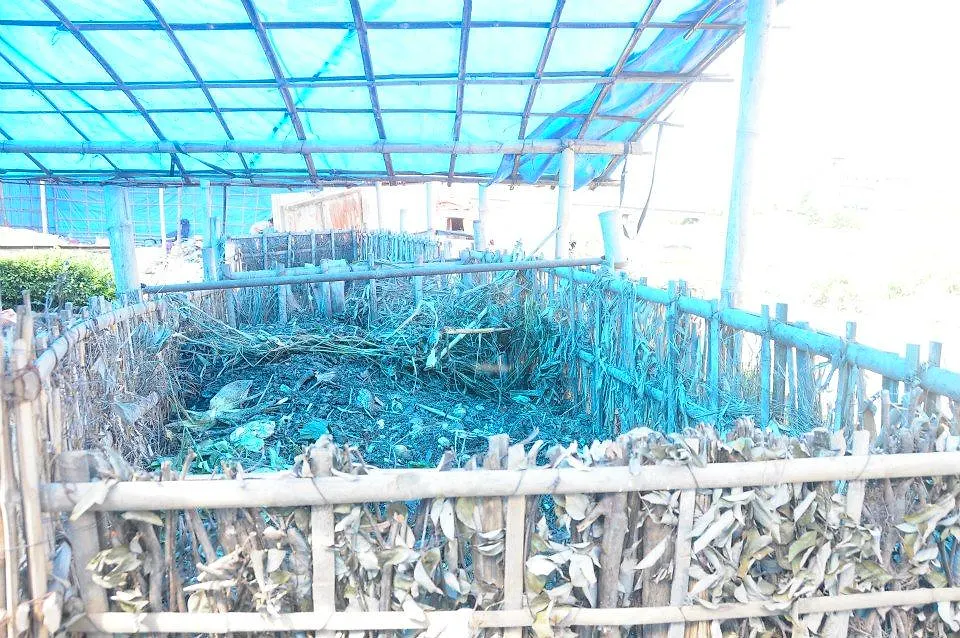
Composting plants at the Central Zoo, Chalnakhel, Radhe Radhe and Lapuli (and earlier Handigaun) turn organic waste into manure that is sold to farmers and households. Families who sort their kitchen waste receive 5 kg of compost free every year.
Wooden vermicompost boxes and low-cost plastic compost bins are designed and distributed so households can compost at home and improve their soil.
At its recycling unit in Gokarna, Kathmandu, supported by the Embassy of Japan, NEPCEMAC turns waste paper into envelopes, tea mats and file holders.
04 / 05
Nurseries, planting and organic farming.
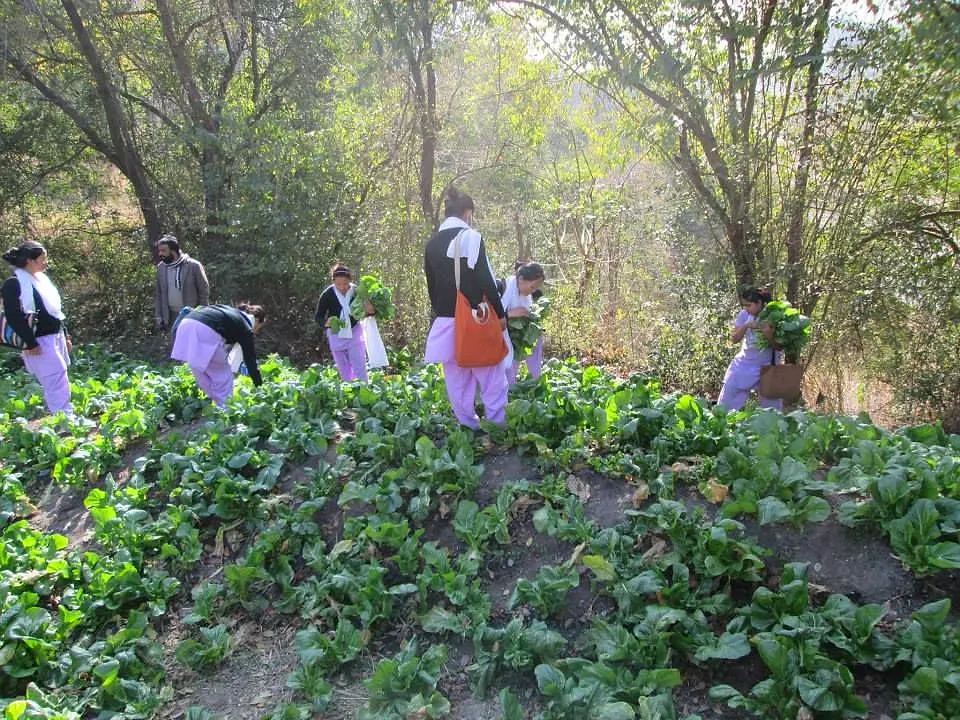
Plantation drives, a tree nursery and rooftop-gardening demonstrations add green space to the Kathmandu Valley. Compost from our plants feeds an organic farm at Chobhar that students visit to see the full cycle from waste to food.
05 / 05
Care for waste workers and safe water and toilets for children.
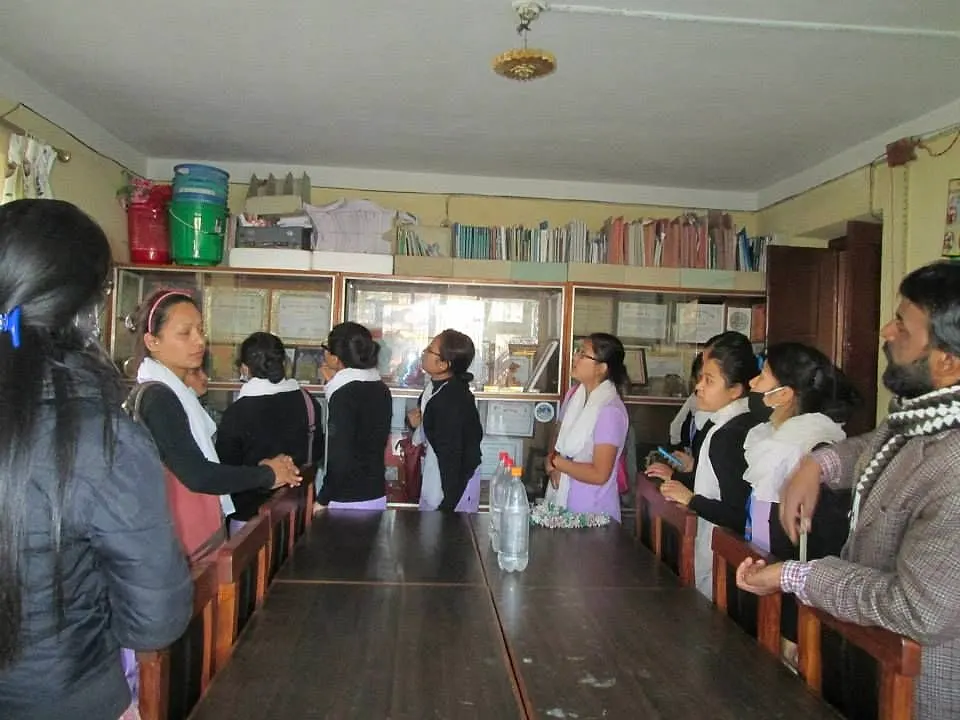
Regular health camps for waste workers, their families and marginalised communities. After health work began in 2007, the NEPCEMAC Community Health Centre in Kusunti offered affordable care.
With Amici dei Bambini (2008–2010), NEPCEMAC brought safe drinking water, clean toilets, composting, hygiene lessons and de-worming to public schools, child homes and a day-care centre.
Schools, tole committees, women’s groups and local governments can invite us for awareness programmes, composting training and clean-up campaigns.