





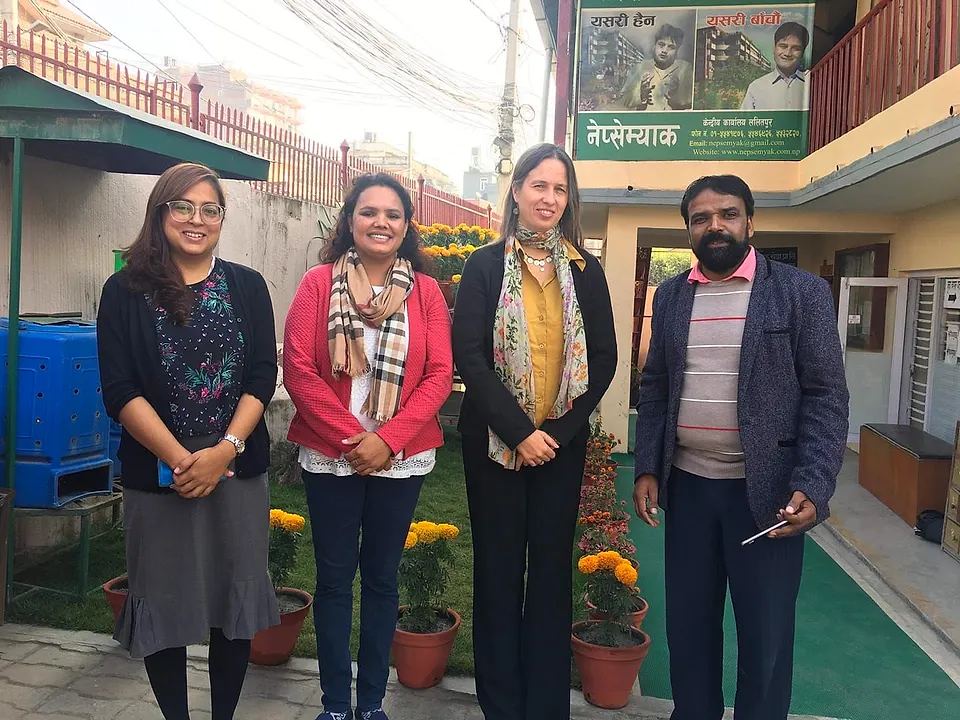
13 November 2019
Non-profit · Lalitpur · since 1997
Cleaner cities start with the people who live in them
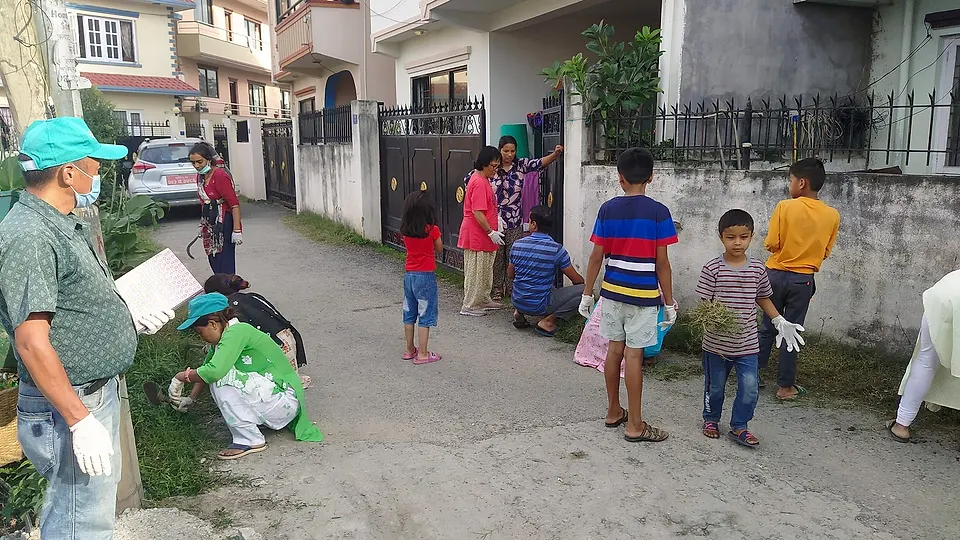
For almost three decades NEPCEMAC has helped households, schools and municipalities in Nepal deal with their waste — sorting it at home, turning it into compost, recycling it, and cleaning streets and rivers together.
Clean City, Civilized Citizen & Healthy Society
Best NGO award, Ministry of Environment, 2005
- 29years working for cleaner cities
- 50,000families sort their waste at home
- 33,000+students, women and community leaders trained
- 5municipalities we have worked in
What we do
Five kinds of work, one goal
Everything we do aims at a clean city, civilized citizens and a healthy society.
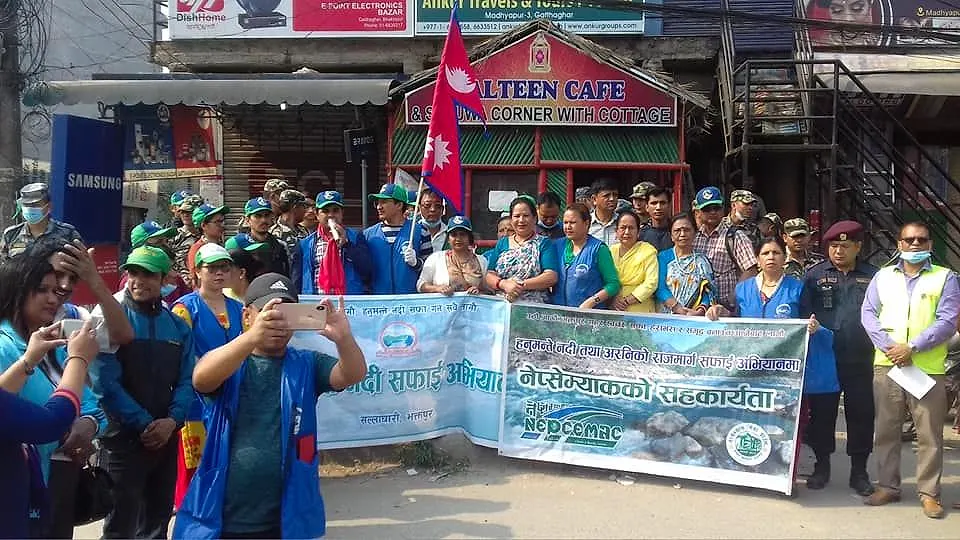
Cleaner neighbourhoods
Getting waste off the streets and sorted at the doorstep.
4 programmes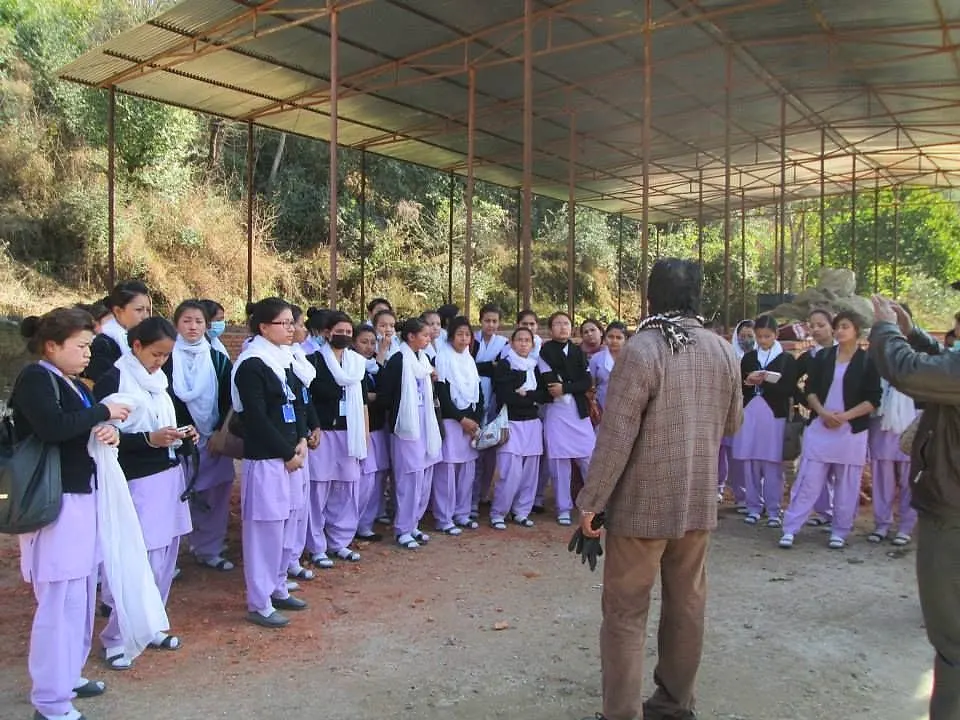
Awareness and education
Changing habits through schools, women’s groups, street theatre, radio and print.
4 programmesCompost and recycling
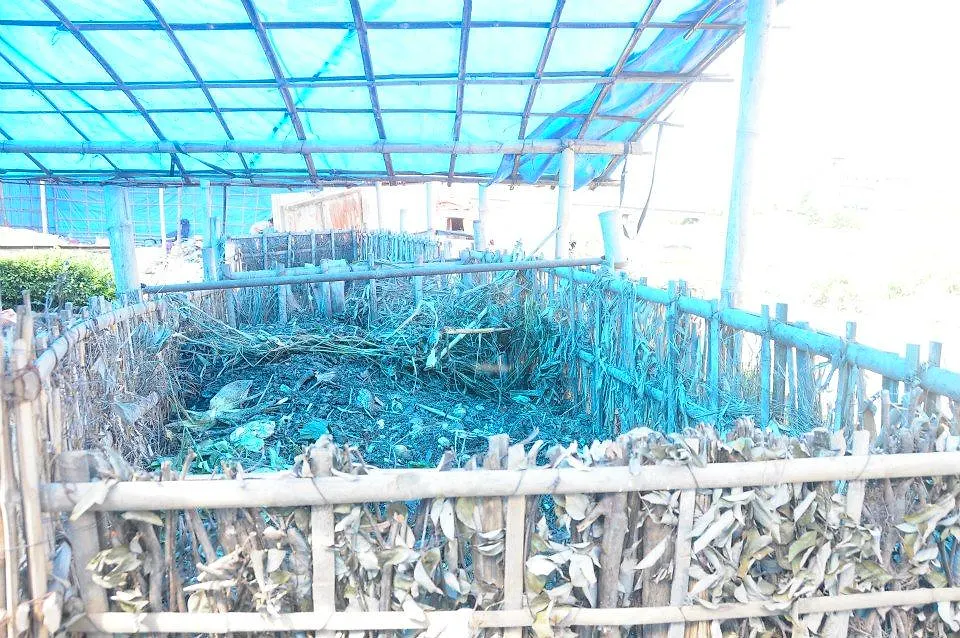
Turning kitchen waste into compost and waste paper into products.
3 programmes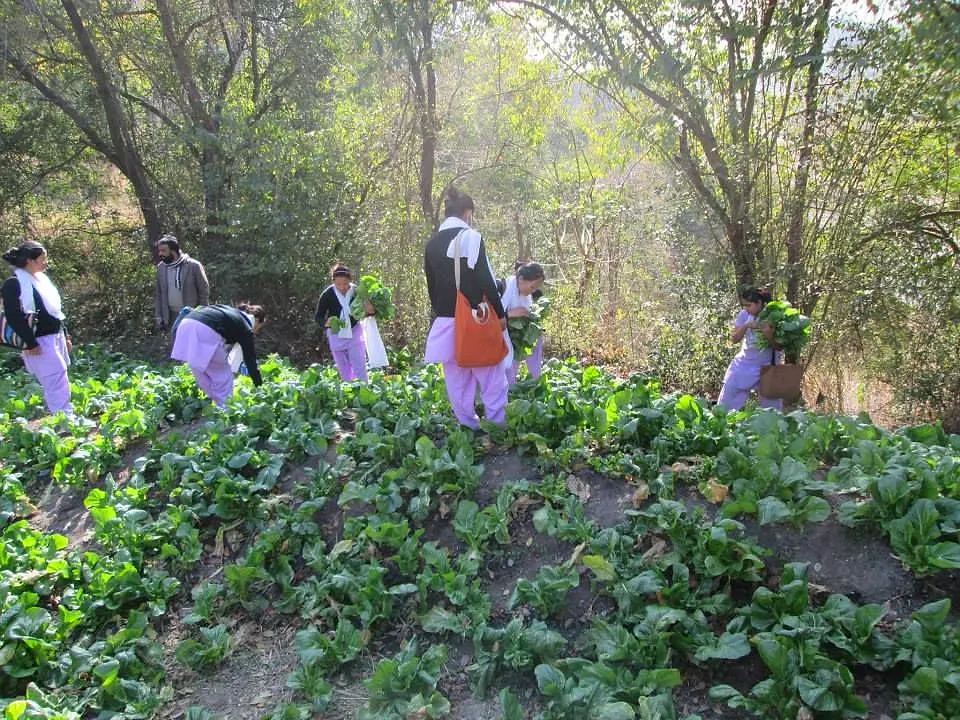
A greener city
Nurseries, planting and organic farming.
1 programme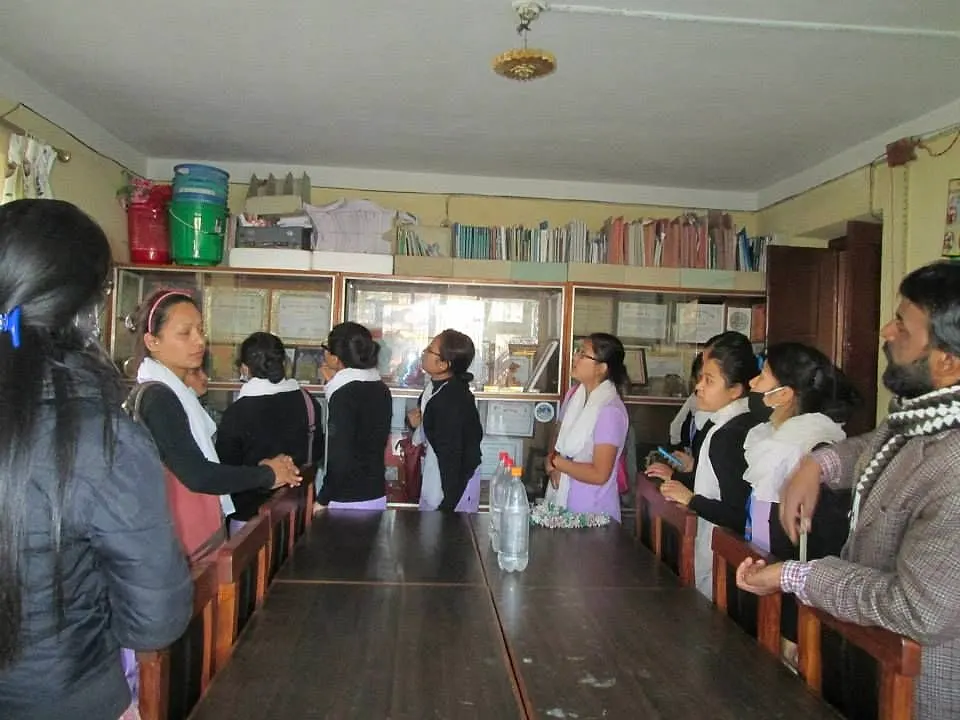
Health and sanitation
Care for waste workers and safe water and toilets for children.
2 programmes
At home
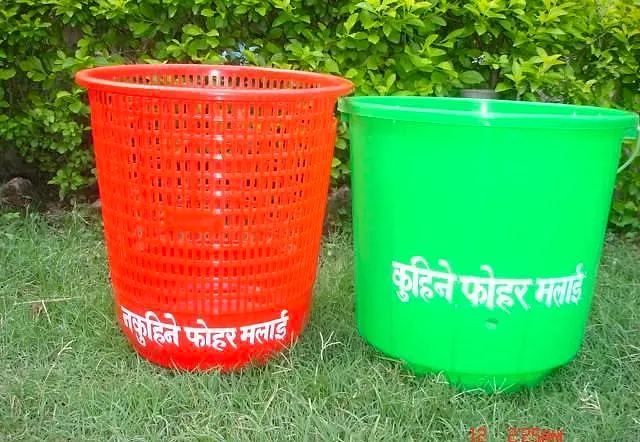
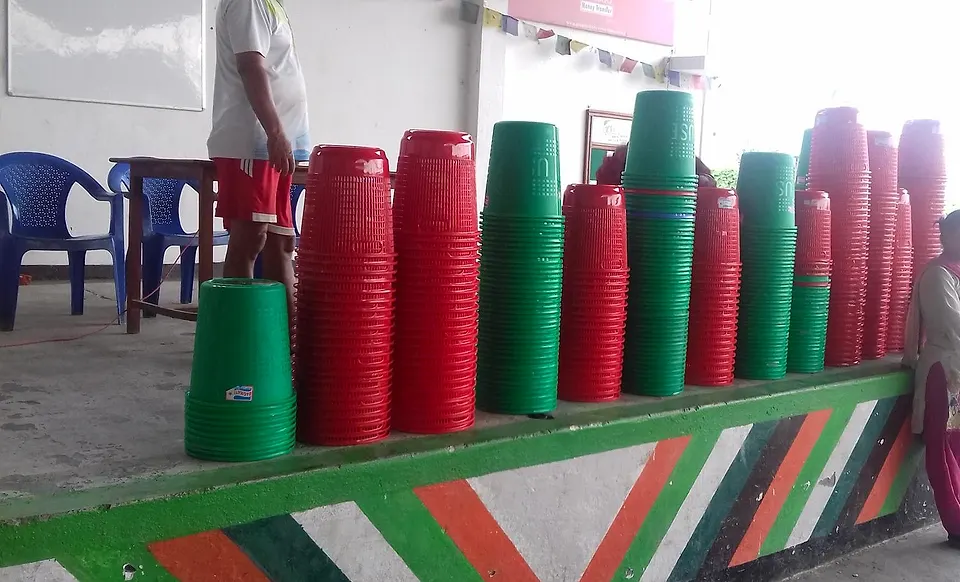
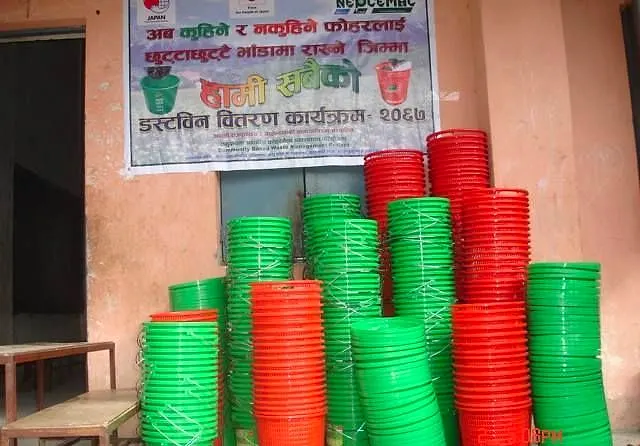
Two buckets make the difference
Most household waste in the Kathmandu Valley is kitchen waste that could become compost. Sorting it at the source keeps it clean enough to use.
Green bucket — waste that rots
- Vegetable and fruit peels
- Leftover food and tea leaves
- Flowers, leaves and garden waste
- Egg shells
Becomes compost.
Red bucket — waste that does not rot
- Plastic bags, wrappers and bottles
- Paper and cardboard (kept dry)
- Glass, metal and cans
- Old clothes and rubber
Much of it can be recycled.
Partnerships
Working with government, international and community partners
From our first agreement with Lalitpur in 1997 to projects with Italian, Japanese and German partners — every partnership is recorded on our partners page.
“Water is Life” with Amici dei Bambini
Safe water, toilets, composting and health check-ups for children in schools and child homes, 2008–2010.
Read moreBest NGO, World Environment Day 2005
Recognition from the Ministry of Environment, Science and Technology for our work in pollution control.
Read moreA national best practice
Practical Action Nepal’s 2008 study of Nepalese cities featured our self-financing door-to-door model.
Read more
One of the best examples of an NGO working in urban solid waste management.
— Best Practices on Solid Waste Management of Nepalese Cities — Practical Action Nepal, 2008
Our journey
From fifty households to fifty thousand families
- 1997
Founded in Lalitpur
Registered at the District Administration Office, Lalitpur on 28 April 1997 (Baisakh 16, 2054 BS). Door-to-door collection starts with fifty households in Kusunti.
- 2001
Work begins in Kathmandu
From 30 November 2001, in Kathmandu Metropolitan City wards 2, 3, 4, 5, 7, 15 and 16 and parts of Sitapaila, Khadka Bhadrakali, Dhapasi, Mahankal, Kapan and Ichangu Narayan.
- 2004
Composting plants and new cities
Composting plants open at the Central Zoo, Jawalakhel and at Handigaun. Programmes begin in Biratnagar (May) and Itahari (July).
- 2005
Best NGO award
The Ministry of Environment, Science and Technology names NEPCEMAC the best NGO on World Environment Day.
- 2008
“Water is Life” with Amici dei Bambini
A two-and-a-half-year water, sanitation and health project for children, agreed with the Italian INGO and the Social Welfare Council. The same year Practical Action Nepal publishes NEPCEMAC’s door-to-door model as a national best practice.
- 2013
Focus on awareness and training
Daily collection is handed to Nepsemyak Sewa; NEPCEMAC concentrates on awareness, training, segregation, composting and research.
Documentary
See NEPCEMAC at work
A short documentary about our work in solid waste management, from collection and sorting to composting and awareness.
Bring a clean-up or training to your community
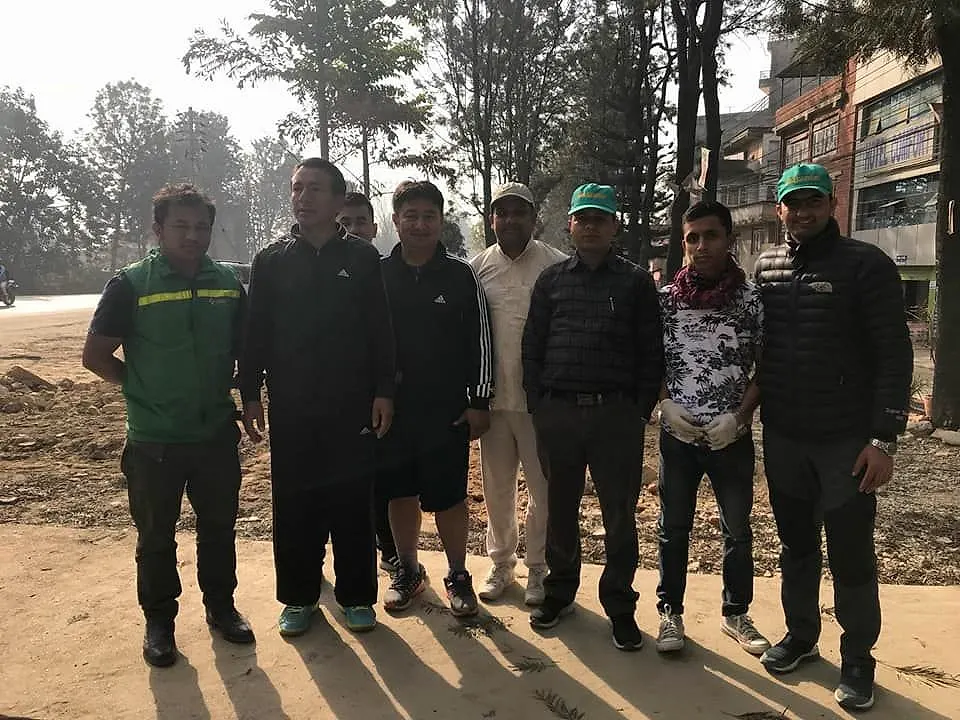
Schools, tole committees, women’s groups and local governments can invite us for awareness programmes, composting training and clean-up campaigns.